Wenrath: Discover Wehnrath in Reichshof, Germany
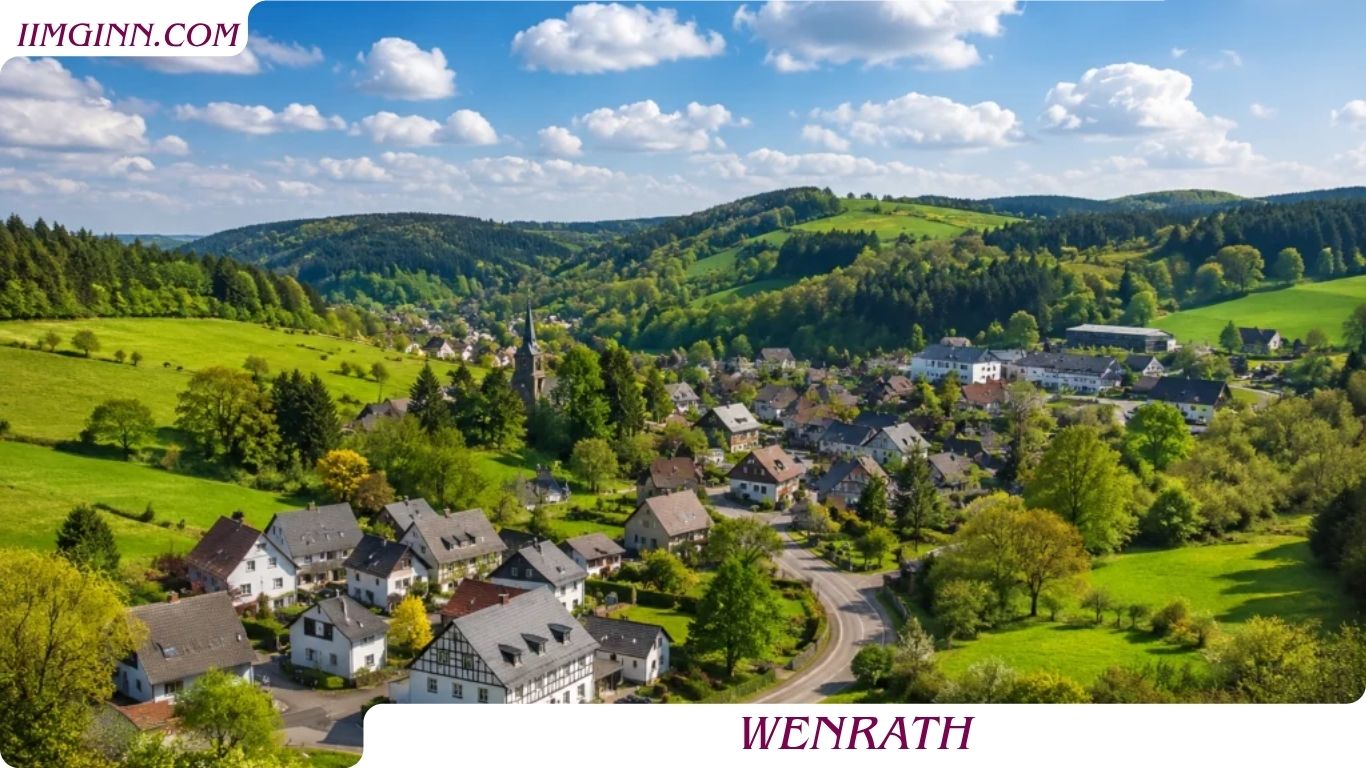
If you have searched for “Wenrath,” you may be looking for a small German locality associated with Reichshof in North Rhine-Westphalia. The name is commonly written as Wehnrath, and it refers to one of the many villages and localities that make up the municipality of Reichshof in the Oberbergischer Kreis.
Wehnrath is interesting because it brings together several different sides of the Oberberg region. The surrounding landscape is characterized by forests, meadows, hills, reservoirs, and rural settlements, while the locality and nearby commercial areas also have an important industrial role. Reichshof itself has developed as both a nature-oriented destination and an economic location.
For visitors, Wehnrath can be useful as a starting point for exploring the wider Reichshof area rather than as a large independent tourist city. Its location provides access to outdoor recreation, nearby villages, regional attractions, and important road connections. The municipality also promotes hiking, cycling, leisure activities, accommodation, restaurants, and nature-based tourism.
This guide explains what Wenrath or Wehnrath is, where it is located, its history, natural surroundings, industrial importance, nearby attractions, transportation, and practical travel information.
What Is Wenrath (Wehnrath)?
Wenrath is most accurately associated with Wehnrath, a locality within the municipality of Reichshof in North Rhine-Westphalia, Germany.
Reichshof is part of the Oberbergischer Kreis and lies in the broader Bergisches Land region. It is a large rural municipality made up of many individual villages and settlements. The official municipality describes Reichshof as an area combining economic activity, tourism, recreation, forests, and meadows.
Wehnrath is therefore better understood as a small locality rather than a major German city. This distinction is important when searching for accommodation, attractions, public transportation, maps, or local services.
Online searches may use different spellings, including “Wenrath.” However, Wehnrath is the spelling used by local and regional sources.
The locality is especially notable for its position near an important commercial area. The municipality identifies the Gewerbegebiet Wehnrath and the intermunicipal Wehnrath/Sinspert business park as important economic locations with good connections to the A4 motorway and B256 federal road.
At the same time, the area remains strongly connected to the rural landscape that characterizes Reichshof.
Where Is Wenrath Located in Germany?
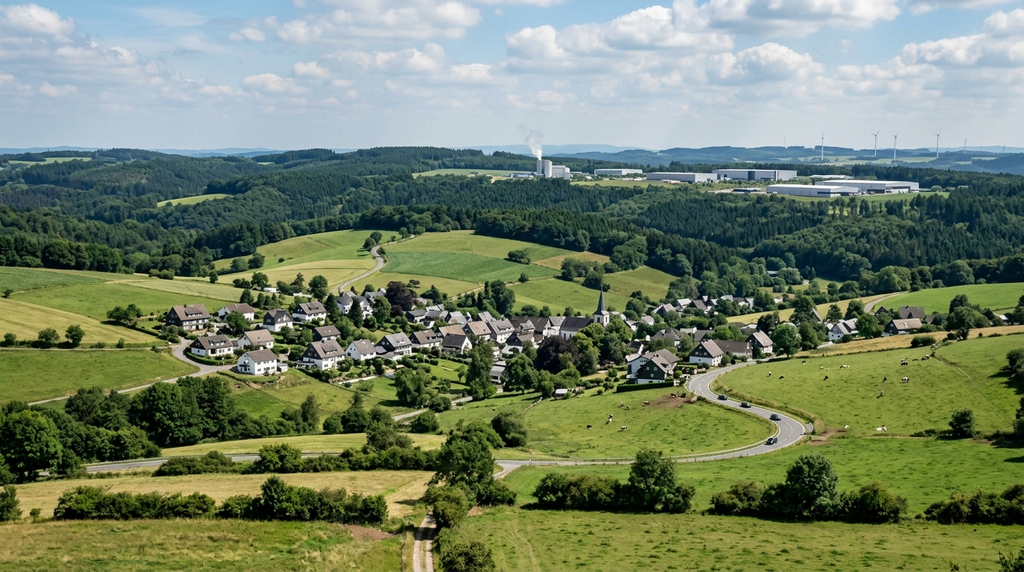
Wehnrath is located in Reichshof, in the Oberbergischer Kreis district of North Rhine-Westphalia.
North Rhine-Westphalia is one of Germany’s most populated states, but the eastern part of the Cologne region contains many quieter rural landscapes. Reichshof is one of these areas. It is situated east of Cologne and within the hilly landscape of the Oberbergisches Land.
The municipality covers approximately 114.66 square kilometers and had 18,728 residents according to district information using data dated December 31, 2023.
Wehnrath itself is much smaller than Reichshof as a whole. A local reference lists the locality at about 286 meters above sea level and records 292 residents at the end of 2019.
This relatively small population helps explain the character of the place. Visitors should not expect a dense urban center filled with large shopping streets, museums, and major tourist attractions. Instead, Wehnrath offers access to a rural environment and the wider attractions of Reichshof.
The location is also practical for exploring nearby parts of the Oberberg region. Gummersbach, Wiehl, Bergneustadt, and other regional communities are within reach, while Cologne and Siegen provide larger urban centers farther away.
How Did Wehnrath Get Its Name and History?
The history of Wehnrath reaches back several centuries.
Also Read: Bddiabetes.com: History, Diabetes Care Resources, and BD’s Transition
A historical reference records the locality’s first documented mention in 1357, when the name appeared in the form “Wenegenroede.” The spelling and form of place names naturally changed over the centuries as local German dialects and administrative practices developed.
This early reference places Wehnrath within the long historical development of the Oberberg region. Like many small settlements in Germany, its history was connected to agriculture, forests, local roads, neighboring communities, and changing political territories.
The wider history of Reichshof is even older. The municipality has medieval roots, and the area has experienced significant administrative changes over time. Modern Reichshof was formed through municipal reorganization in the late 20th century.
The result is a landscape where old villages and modern infrastructure exist close together.
For travelers interested in local history, this is one of the most appealing aspects of the area. Wehnrath is not primarily a destination for grand monuments. Instead, its historical interest comes from understanding how small settlements developed within the wider Bergisches Land.
Local architecture, traditional farm buildings, churches, roads, wooded hills, and historic villages can all help visitors understand the region’s past.
What Makes Wehnrath’s Natural Landscape Special?
The natural environment is one of the strongest reasons to explore Wehnrath and the surrounding Reichshof area.
Reichshof is known for its forests, meadows, hills, and rural landscapes. The municipality itself highlights its natural setting and recreational opportunities, including hiking, cycling, golf, winter activities, and other outdoor pursuits.
The landscape is typical of a German low mountain region rather than a flat agricultural plain.
Visitors can expect rolling terrain, wooded areas, open fields, small settlements, and scenic roads. Depending on the season, the scenery can look very different. Spring brings fresh green vegetation, summer provides long days for outdoor activities, autumn creates strong colors across the forests, and winter can bring a quieter atmosphere.
The area’s natural character also makes it useful for travelers who prefer slower tourism.
Instead of trying to visit many attractions in one day, visitors can combine a walk with a local meal, explore nearby villages, or use Wehnrath as part of a broader road trip through the Oberberg region.
The nearby Wiehltalsperre, or Wiehl Reservoir, is another important natural feature of the surrounding area. The reservoir contributes to the region’s recreational appeal and provides opportunities for enjoying water, forests, and countryside.
Is Wehnrath a Good Place for Hiking and Outdoor Activities?
Yes. Wehnrath and the wider Reichshof region are well suited to outdoor recreation, especially hiking and cycling.
The municipality actively promotes hiking and cycling as part of its tourism offer. Reichshof’s official information also lists activities such as golf, ballooning, hang gliding, winter sports, and other leisure opportunities.
The terrain is particularly attractive for people who enjoy walking through hills and forests rather than looking for completely flat trails.
A good outdoor visit can include:
- Forest walks
- Countryside hikes
- Cycling routes
- Scenic drives
- Reservoir-area exploration
- Nature photography
- Bird and wildlife observation
- Seasonal outdoor activities
Travelers should remember that rural hiking conditions can differ from city parks. Trails may include uneven surfaces, steep sections, mud, roots, or changing weather conditions.
Comfortable walking shoes are therefore useful, especially after rain.
Cyclists should also consider the area’s hills before selecting a route. An electric bicycle can be helpful for travelers who want to cover more distance without turning the trip into a demanding athletic activity.
The best approach is to check current local route information before starting a longer hike or cycling trip.
What Is the Industrial Heritage of Wehnrath?
One of the most interesting features of Wehnrath is the contrast between its rural setting and its industrial importance.
The Wehnrath business area is an established economic location within Reichshof. The municipality identifies machinery manufacturing, steel and metal construction, plastics processing, electronics, microelectronics, wire drawing, textile-related trade, and construction as important sectors in the wider community.
This industrial presence is not simply a modern addition with no connection to the region’s identity. Manufacturing has played an important role in the economic development of the Oberberg area.
A notable example is the expansion of Bühler, a company known for machinery used in chocolate production. In 2017, the company opened a new production facility in Reichshof-Wehnrath after moving its operations from Bergneustadt. The facility included several halls and administrative space on a substantial industrial site.
This example shows why Wehnrath should not be viewed only as a rural village.
Its economic identity is closely connected to manufacturing and modern business infrastructure. The combination of industrial employment and nearby countryside is characteristic of several communities in the Oberberg region.
For visitors interested in industrial geography, Wehnrath provides an interesting example of how small German communities can support modern manufacturing without becoming large urban centers.
How Does Industry Fit With the Rural Character of Wehnrath?
At first glance, industry and rural tourism may appear to be opposite concepts. In Wehnrath, however, they exist side by side.
The business areas are concentrated in specific locations, while much of the surrounding region remains characterized by forests, fields, villages, and open landscapes.
This arrangement is partly supported by transportation infrastructure. The municipality specifically promotes the Wehnrath commercial area because of its connection to the A4 motorway and B256.
That connectivity is important for companies transporting goods, employees, equipment, and materials.
For residents, the economic infrastructure can provide employment without requiring everyone to live in a major city.
For visitors, the result is a destination that does not fit neatly into the category of either a tourist village or an industrial town. It is a combination of rural living, regional business activity, and outdoor recreation.
This mixed identity is one of the more useful ways to understand Wehnrath.
What Are the Best Attractions Near Wehnrath?
Wehnrath itself is a small locality, so many of the most interesting attractions are located in the surrounding Reichshof area.
One important attraction is the Bauernhofmuseum Eckenhagen, a farm museum that helps visitors learn about rural life and regional traditions. The official Reichshof tourism website lists the museum among local events and attractions.
Eckenhagen itself is another important part of the municipality. Visitors can also explore local parks, recreational facilities, restaurants, walking routes, and cultural sites throughout Reichshof.
The wider region includes historic structures and attractions associated with the Oberberg landscape. Reichshof is also known for outdoor recreation and family-oriented tourism.
One particularly interesting heritage site in the broader municipality is the Denklingen Railway Bridge, which is connected to the historic Wiehl Valley Railway. This is useful for travelers interested in engineering, transportation history, and regional heritage.
The important point is that Wehnrath works best as part of a regional itinerary. Travelers who expect a large collection of attractions within a few minutes’ walk may be disappointed. Travelers who enjoy exploring small villages and nearby natural and cultural sites are more likely to appreciate it.
What Can Visitors Do Around the Wiehl Reservoir?
The Wiehl Reservoir, known in German as the Wiehltalsperre, is one of the notable natural features around the Reichshof area.
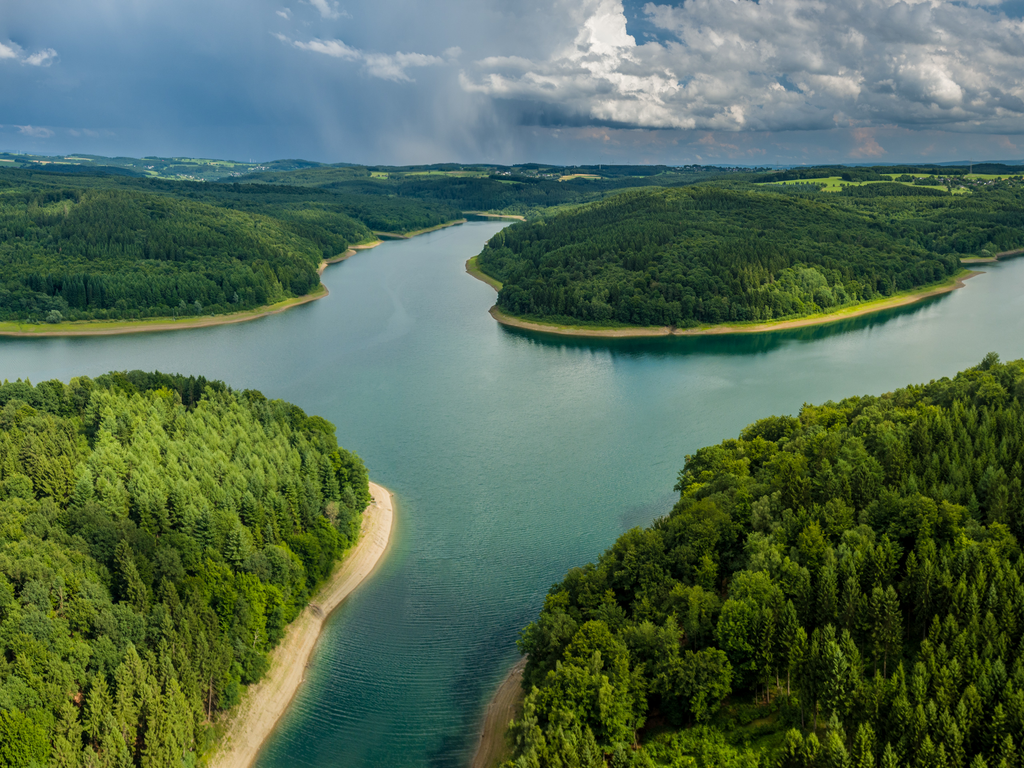
The reservoir contributes to the scenic character of the region and fits naturally into an outdoor-focused trip.
Visitors can combine reservoir scenery with hiking, cycling, photography, and quiet countryside exploration. The surrounding landscape includes wooded areas and rolling terrain, creating many opportunities to enjoy the outdoors.
Water areas can also make a trip more relaxing for people who do not want an intensive sightseeing schedule.
However, visitors should distinguish between simply enjoying the landscape and accessing every part of a reservoir. Local regulations can determine where swimming, boating, fishing, parking, or other activities are allowed.
Before planning a specific water-based activity, travelers should check current local rules.
For photographers, the reservoir and surrounding hills can be particularly appealing during early morning or late afternoon when changing light creates stronger landscape views.
What Is Local Culture Like in Reichshof?
The culture around Wehnrath is closely connected to the traditions of the Oberberg and Bergisches Land regions.
Rather than being defined by major urban landmarks, local culture is visible through village life, regional food, historic buildings, community events, traditional farms, churches, and outdoor recreation.
The tourism organization for Reichshof promotes regional restaurants, cafés, beer gardens, local shopping, accommodation, and the traditional Bergische Kaffeetafel.
The Bergische Kaffeetafel is particularly associated with the Bergisches Land and represents a traditional regional dining experience.
Food can therefore be part of understanding the local culture, not simply a practical need during travel.
Community events also contribute to local identity. Reichshof’s tourism calendar includes concerts, museum openings, and other activities throughout the year.
Because event schedules change, travelers should check official local listings before making a trip around a specific event.
How Do You Get to Wehnrath?
Road travel is one of the easiest ways to reach Wehnrath.
The municipality identifies the A4 motorway and B256 federal road as important transportation connections for the Wehnrath business area. The A4 connection is only a few kilometers from the business location according to municipal information.
This makes the locality practical for travelers using a car.
Visitors arriving from larger cities can generally use the regional road network and then continue into the smaller roads serving Reichshof and its individual villages.
Public transportation requires more planning because Wehnrath is a small locality rather than a major transportation hub.
Travelers without a car should check current bus connections and regional transit schedules before traveling. Timetables can change, particularly on weekends and holidays.
For road trips, navigation apps can be helpful, but it is also wise to confirm the exact locality name because searches for “Wenrath” may produce fewer results than searches for “Wehnrath.”
What Should Travelers Know Before Visiting Wehnrath?
The most important thing to understand is that Wehnrath is a small locality, not a major tourist city.
This affects expectations.
Visitors should plan around the wider Reichshof region rather than expecting a concentrated downtown tourism district.
A practical trip might include:
- A morning hike through the surrounding countryside.
- A visit to a nearby village or museum.
- Lunch or coffee at a regional restaurant.
- An afternoon visit to a scenic area such as the reservoir.
- A relaxed drive through the surrounding countryside.
Checking opening times is especially important for small museums, visitor centers, restaurants, and seasonal attractions.
The official Reichshof tourism organization provides information about accommodation, restaurants, cafés, local activities, and events.
Weather is another consideration. Because outdoor recreation is a major part of the area’s appeal, visitors should prepare for changing conditions.
Good walking shoes, a light rain jacket, and flexible plans are useful for most seasons.
Where Can Visitors Stay Near Wehnrath?
Because Wehnrath is a small locality, travelers may find it more practical to search for accommodation throughout Reichshof rather than limiting a search to Wehnrath itself.
The official Reichshof tourism service lists several types of accommodation, including hotels, guesthouses, holiday rooms, vacation apartments, holiday houses, and motorhome parking options.
This variety makes the wider municipality suitable for different travel styles.
A hotel or guesthouse can be convenient for short visits. A vacation apartment may work better for travelers staying several days. Motorhome travelers can also find designated options in the broader tourism area.
When choosing accommodation, consider transportation first.
Also Read: Mabinogi Lazy Patch: Complete Guide to Faster Game Updates
If you plan to explore several villages and natural attractions, a location with easy road access may be more useful than staying directly in a very small settlement.
Travelers should also check whether breakfast, parking, Wi-Fi, and other services are included, particularly when booking in rural areas.
Is Wehnrath Worth Visiting?
Wehnrath can be worth visiting, but its appeal depends on what you want from a trip.
If you are looking for a major landmark, a busy shopping district, or a city packed with famous attractions, Wehnrath is probably not the right destination.
If you enjoy nature, rural landscapes, local history, hiking, cycling, traditional German villages, and quieter travel, the area can be rewarding.
Its industrial background adds another layer of interest. Wehnrath demonstrates how modern manufacturing can operate within a predominantly rural environment.
The locality also provides access to the wider Reichshof tourism network, which includes outdoor recreation, museums, local food, cultural events, and accommodation.
The best reason to visit is therefore not one single attraction. It is the combination of landscape, regional culture, history, and accessibility.
Conclusion
Wenrath is best understood as a search term referring to Wehnrath, a small locality in Reichshof, North Rhine-Westphalia, Germany.
Wehnrath offers a combination of characteristics that make the area interesting. It has a documented history reaching back to the medieval period, a rural landscape shaped by forests and meadows, access to outdoor recreation, and a modern industrial base.
Its connection to the A4 motorway and B256 also gives it practical importance beyond its small population. The Wehnrath business area demonstrates the continuing role of manufacturing and technology in the Oberberg region.
For visitors, however, the greatest attraction is the wider Reichshof area. Hiking, cycling, local museums, traditional food, villages, reservoirs, and regional events provide more reasons to stay and explore.
The most useful way to approach a trip is to search for “Wehnrath Reichshof” rather than relying only on “Wenrath.” From there, visitors can explore the surrounding municipality and plan an itinerary based on nature, history, culture, and local experiences.
Ultimately, Wehnrath is not a destination that needs to compete with Germany’s largest tourist cities. Its value comes from offering a quieter look at rural and industrial life in North Rhine-Westphalia.
Frequently Asked Questions About Wenrath
1. Is Wenrath the same place as Wehnrath?
In the context of Reichshof, “Wenrath” appears to refer to Wehnrath, the locality in North Rhine-Westphalia. Wehnrath is the modern spelling used by official Reichshof sources. Historical forms of the name have also existed, which helps explain why spelling variations may appear in searches.
2. What is Wehnrath known for?
Wehnrath is known for its rural setting, connection to the wider Reichshof countryside, and its important commercial and industrial area. The municipality identifies Wehnrath as an important business location with connections to the A4 motorway and B256.
3. Is Wehnrath suitable for a family trip?
Yes. The wider Reichshof region offers family-friendly outdoor activities, museums, parks, walking opportunities, and recreational attractions. Families should plan their activities across the municipality rather than expecting all attractions to be concentrated within Wehnrath itself.
4. What is the best season to visit Wehnrath?
There is no single best season for everyone. Spring and summer are useful for hiking, cycling, and enjoying long daylight hours. Autumn can be especially attractive for forest scenery, while winter offers a quieter countryside experience. Travelers should check weather and opening times before planning seasonal activities.
5. Can Wehnrath be visited as a day trip?
Yes. A day trip can work well if the itinerary focuses on the locality and one or two nearby attractions. However, travelers interested in hiking, museums, regional food, and several villages may prefer staying overnight in Reichshof. The official tourism service provides information about accommodation and activities throughout the municipality.