Tracqueur: Complete Guide to Tracking Technology, Uses, Privacy, and Safety
Tracking technology has become a normal part of modern life. People use tracking tools to find lost belongings, monitor vehicles, manage deliveries, locate pets, measure fitness activity, and protect valuable equipment. Smartphones and connected devices also use different forms of location and activity tracking.
The word “tracqueur” can appear in online searches when people are looking for information about tracking devices, GPS trackers, digital tracking systems, or the French word “traqueur.” The exact meaning depends on the context.
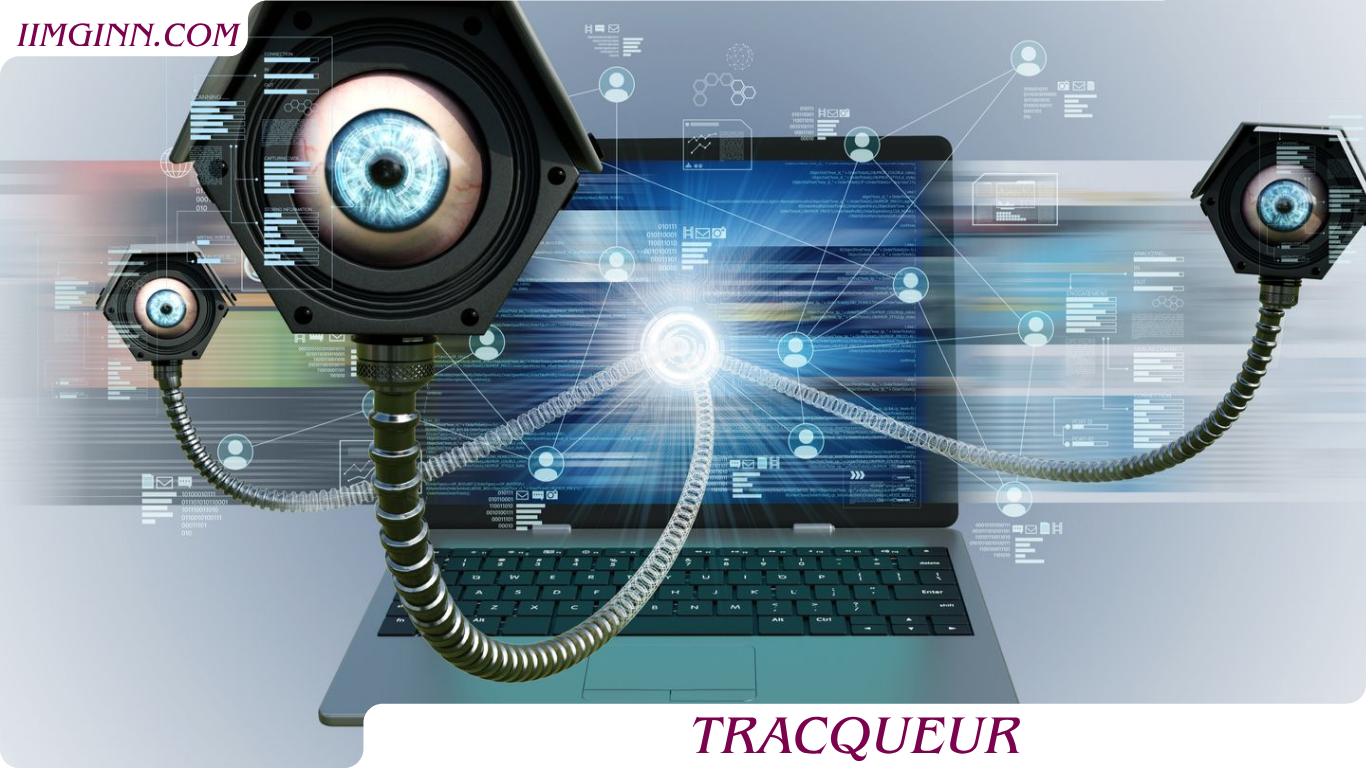
In simple terms, a tracqueur can be understood as a tracker or tracking solution designed to monitor the location, movement, activity, or condition of something. It may refer to a physical device, software, application, or larger tracking system.
However, it is important not to assume that every reference to tracqueur describes one particular product. Tracking technology includes many different systems, and they can work in very different ways.
This guide explains what tracqueur means, how tracking technology works, the main types of trackers, common uses, benefits, limitations, privacy concerns, security risks, legal considerations in the United States, and practical ways to evaluate a tracking solution.
What Does Tracqueur Mean?
The simplest meaning of tracqueur is “tracker” or “tracking system.”
The term is commonly associated with technology that helps identify where something is, how it moves, or what activity it performs. A tracking system can collect information and make that information available through an app, website, map, dashboard, or notification.
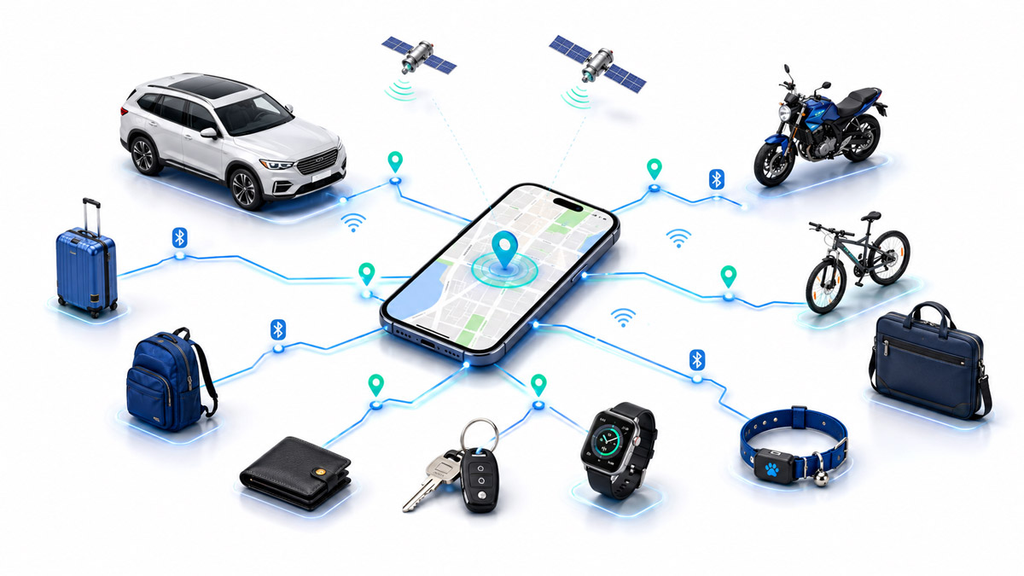
The meaning can change depending on the situation.
For example, someone searching for tracqueur may be interested in:
- A GPS tracker for a vehicle
- A Bluetooth tracker for keys or luggage
- A pet tracking device
- A fleet management system
- An asset tracking solution
- A fitness or activity tracker
- A location-sharing application
- A digital tracking tool
- Website or advertising tracking technology
The spelling can also cause confusion. “Traqueur” is the established French word associated with “tracker,” while “tracqueur” appears online as a variant spelling or technology-related search term.
This means the keyword alone does not identify a single device or company. The surrounding context is important.
For consumers, this distinction matters because a Bluetooth item finder, GPS vehicle device, fitness wearable, and website analytics tool can all involve tracking but use completely different technologies.
Is Tracqueur a Specific Product or Technology?
Also Read: Berniece Julien: Complete Biography, Career, Personal Life, and Public Profile
Tracqueur should not automatically be treated as the name of one standardized technology.
Also Read: Benhey: Meaning, Origin, History, and Complete Name Guide
There are many different products and services that can be described as trackers. They may be created by different companies, use different networks, collect different information, and have different privacy policies.
A physical tracker might contain a location receiver, wireless communication hardware, a battery, and sensors. A software tracker may use information already available from a smartphone, web browser, application, or connected account.
Some tracking systems work continuously. Others collect information only at specific intervals or when an event occurs.
For example, a vehicle tracking system might record location every few seconds or minutes while a car is moving. A Bluetooth item tracker may primarily help locate an object when it is nearby or through a larger device network. A fitness tracker may focus on movement, steps, heart-rate measurements, or workout information rather than providing vehicle-style location tracking.
Therefore, the safest way to understand tracqueur is as a broad tracking-related concept unless a specific product, website, manufacturer, or application is clearly identified.
Tracqueur vs. Traqueur vs. Tracker
The spelling difference is one of the most important things to understand about the term.
“Traqueur” is a French word commonly translated as “tracker.” The English word “tracker” is much more common in technology discussions.
“Tracqueur,” meanwhile, can appear as an alternative spelling or search term connected with tracking technology.
These terms can be understood generally as follows:
| Term | General meaning |
| Tracqueur | Online term associated with tracking |
| Traqueur | French term meaning tracker |
| Tracker | Common English term for tracking technology |
| GPS tracker | Tracking system that uses satellite positioning |
| Bluetooth tracker | Short-range or network-assisted item tracker |
| Location tracker | Broader system for monitoring location |
| Digital tracker | Software or technology that records digital activity |
The distinction is useful when searching for information. A person looking for “tracqueur” may actually need information about a GPS tracker, Bluetooth tag, location-sharing tool, or the French word itself.
Search intent should therefore be considered before choosing a device or trusting information found online.
How Does a Tracqueur Work?
A tracking system generally follows a simple process:
- It collects information.
- It determines or estimates a location or activity.
- It sends or stores the information.
- A user or system accesses the information.
- The information may be displayed, analyzed, or used to create alerts.
The exact technology depends on the type of tracker.
A GPS-based device can use satellite signals to calculate its position. A cellular tracker can then use a mobile network to send that position to a server. A smartphone application can display the information on a map.
Bluetooth trackers work differently. They are designed for short-range communication and may also participate in broader finding networks, depending on the product.
Some systems can combine several technologies. For example, a tracking device may use GPS for positioning, cellular connectivity for communication, Bluetooth for nearby setup, and motion sensors to determine whether an object is moving.
This combination can make modern tracking systems more useful, but it can also make them more complicated.
What Technologies Can a Tracqueur Use?
Tracking systems can use several technologies, and there is no single method that works for every situation.
GPS and Satellite Positioning
GPS is one of the best-known location technologies. A compatible device can use signals from satellites to calculate its position.
GPS is useful for vehicles, outdoor equipment, fleet management, and other applications where knowing a broader geographic position is important.
GPS itself does not mean that a device automatically sends its location to another person. Communication is a separate part of many tracking systems.
Cellular Networks
Some trackers use cellular networks to transmit information.
This is common in vehicle and fleet tracking because the device can communicate over large distances when compatible cellular coverage is available.
Cellular tracking may involve a recurring service cost because the device needs network connectivity.
Bluetooth
Bluetooth is commonly used by small item trackers and nearby devices.
A Bluetooth tracker can be useful for objects such as keys, wallets, backpacks, or luggage. Its range and capabilities depend on the specific device and environment.
Some modern Bluetooth tracking systems can also work with larger networks of nearby devices.
Wi-Fi
Wi-Fi can sometimes help determine or estimate location, especially when a device is near known wireless networks.
Smartphones and other connected devices may combine Wi-Fi information with other signals to improve location estimates.
Sensors
Tracking devices may also include motion, temperature, acceleration, or other sensors.
These sensors can provide information about an object’s condition or movement. For example, an asset-monitoring system could detect movement or changes in temperature rather than simply reporting geographic coordinates.
What Are the Main Types of Tracqueur?
Because tracqueur is a broad term, different categories of tracking technology can fit under it.
GPS Vehicle Trackers
Vehicle trackers are designed to monitor the location and movement of cars, trucks, motorcycles, or other vehicles.
Businesses may use them for fleet management, route planning, asset protection, and operational visibility.
Individuals may also use vehicle tracking systems to locate a vehicle or review its movement history.
Bluetooth Item Trackers
Small Bluetooth tags can help people find everyday belongings.
Common examples include:
- Keys
- Wallets
- Backpacks
- Luggage
- Bags
- Personal equipment
These devices are generally designed for finding objects rather than continuously monitoring a person’s movements.
Pet Trackers
Pet tracking systems can help owners locate dogs or cats that leave a defined area.
Some use GPS and cellular connectivity, while others use nearby wireless technologies.
Features may include location maps, movement history, safe zones, and alerts.
Fitness Trackers
Fitness trackers monitor physical activity and may record information such as steps, workouts, movement, or other health-related measurements.
These devices are different from traditional location trackers because their main purpose is often activity measurement rather than locating an object.
Asset Trackers
Businesses can use tracking technology to monitor equipment, tools, shipments, containers, and other valuable assets.
Asset tracking can help organizations understand where equipment is located and whether it is moving as expected.
Fleet Tracking Systems
Fleet systems are designed for organizations operating multiple vehicles.
A fleet platform may combine location information with route data, vehicle information, maintenance records, or operational reports.
The goal is usually broader than simply seeing a vehicle on a map.
Digital Tracking Systems
Not all tracking happens in the physical world.
Websites and applications can use technologies such as cookies, pixels, device identifiers, and analytics systems to understand digital activity.
Digital tracking can be used for legitimate functions such as login sessions, security, analytics, personalization, and advertising.
Because digital tracking can involve personal information and behavioral data, transparency and privacy controls are important.
Where Is Tracqueur Technology Used?
Tracking systems have applications across many industries.
Transportation companies can use tracking technology to understand vehicle locations and delivery routes.
Logistics companies can use it to monitor shipments and assets.
Pet owners can use tracking devices to locate animals.
Consumers can use small tags to find misplaced belongings.
Businesses can use asset tracking to manage equipment.
Outdoor enthusiasts may use location technology for navigation and safety.
Fitness users may use wearable devices to record activity.
Technology companies can use digital analytics to understand how users interact with websites and applications.
These examples show why “tracking” is not automatically good or bad. Its purpose, design, transparency, and method of use all matter.
What Are the Benefits of a Tracqueur?
Tracking technology can provide several practical benefits when it is used appropriately.
Finding Lost Items
Small trackers can make it easier to locate belongings that have been misplaced.
Instead of searching an entire home, a user may be able to identify the item’s approximate location or make a nearby tracker produce a sound.
Vehicle Visibility
Vehicle tracking can help owners and businesses understand where vehicles are located.
For companies, this may support fleet coordination and delivery management.
Asset Management
Businesses with expensive equipment can use tracking systems to maintain better visibility over assets.
This can be particularly useful when equipment moves between locations.
Safety and Recovery
Location technology can support recovery efforts when vehicles, equipment, pets, or other tracked items are lost.
Some systems also allow users to create location-based alerts.
Better Operational Planning
Organizations can use tracking information to understand movement patterns and improve planning.
For example, historical route information can help businesses identify inefficient travel patterns.
Personal Organization
Consumers can use trackers to reduce the frustration of losing everyday items.
A small device attached to a frequently misplaced object can provide an additional layer of convenience.
What Are the Limitations of Tracking Technology?
Tracking technology is useful, but it is not perfect.
One major limitation is accuracy.
A tracker may not always show an exact position. Buildings, underground spaces, dense urban areas, weather conditions, network availability, and physical obstructions can affect performance.
Battery life is another limitation. Small devices usually have limited battery capacity, and frequent communication can use more power.
Connectivity can also matter. A cellular tracker may not work as expected in areas with poor network coverage.
GPS systems can also behave differently indoors compared with open outdoor environments.
Bluetooth trackers have different limitations because they are generally intended for shorter-range communication or network-assisted finding.
Users should therefore avoid assuming that a tracking device provides a perfectly accurate, continuously updated location at all times.
What Privacy Risks Are Associated With Tracqueur Technology?
Privacy is one of the most important issues surrounding tracking.
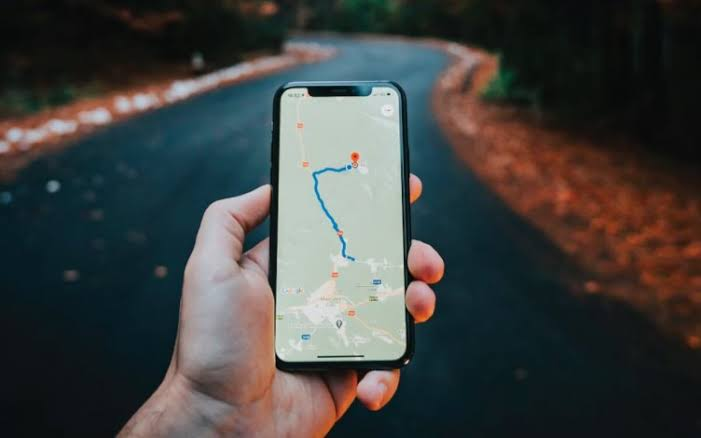
Location data can reveal sensitive information about a person’s movements and routines. A record of where someone travels can potentially reveal where they live, work, study, shop, worship, or spend personal time.
Digital tracking can also reveal information about online behavior.
This does not mean every tracking system is unsafe. It means users should understand what information is collected, why it is collected, who can access it, and how long it is stored.
Before using a tracking service, check its privacy policy and account settings.
Important questions include:
- What information does the service collect?
- Is precise location collected?
- How frequently is information recorded?
- Is information stored in the cloud?
- Who can view the data?
- Can information be shared with third parties?
- How long is information retained?
- Can the account be deleted?
- What security controls protect the data?
A product that provides useful tracking but offers poor privacy controls may create risks that are not obvious at first.
Can a Tracqueur Be Used to Track Someone Without Consent?
A tracking device can be misused to monitor another person without their knowledge.
This is an important safety issue.
Modern smartphone ecosystems have introduced unwanted-tracking alerts because small Bluetooth tracking devices can otherwise be misused. Apple and Google have developed cross-platform approaches that can notify people when compatible unknown trackers appear to be traveling with them.
If someone receives an unexpected tracker alert, they should not automatically assume that criminal activity is occurring. There may be innocent explanations, such as traveling with another person’s tagged belongings or borrowing a bag.
However, an unexplained tracker should not be ignored if the person feels unsafe.
Apple and Google provide tools for identifying and disabling compatible unknown trackers. Android’s current guidance explains that users can review an unknown tracker alert, locate the device, save information about it, and take additional safety steps if necessary. Apple provides similar unwanted-tracking guidance for compatible devices.
If a person believes they are being deliberately tracked or feels physically unsafe, contacting local law enforcement or a trusted safety resource may be appropriate.
What Should You Do If You Find an Unknown Tracker?
Finding an unknown tracking device can be stressful, but there are practical steps to take.
First, consider whether there is an ordinary explanation. The tracker may belong to a family member, friend, employer, rental company, or another person whose belongings you are carrying.
If the device appears suspicious, document what you can safely document.
For example, you may record:
- The alert
- The device type
- The device identifier
- The time and date
- The locations shown by your phone
- Photos of the device, if safe to take
Do not put yourself in danger to locate or confront the person who owns a tracker.
If you believe the situation presents a safety risk, move to a safe public location and contact a trusted person or law enforcement.
Apple and Google both provide specific guidance for handling unwanted Bluetooth tracking alerts. Their guidance also explains that simply turning off Bluetooth or location services on your phone does not necessarily disable the physical tracker itself.
What Are the Legal Considerations for Tracking in the United States?
Tracking laws in the United States can depend on the circumstances, location, relationship between the parties, ownership of the device or vehicle, and purpose of the tracking.
There is no simple rule saying that every form of tracking is legal or that every form is illegal.
For example, a person tracking their own property is different from secretly placing a tracker on another person’s property.
Employer vehicle tracking can also involve different considerations from personal tracking.
Digital tracking creates another set of issues involving privacy, consumer protection, consent, data collection, and disclosure.
State laws may also differ. Some states have specific privacy or stalking-related laws that can affect particular forms of surveillance or location monitoring.
For that reason, consumers should not rely on a general online article as legal advice for a specific situation.
If a tracking situation has potential legal consequences, consult a qualified attorney familiar with the applicable state and federal rules.
How Can You Choose the Right Tracking Device?
The best tracker depends on what you actually need to monitor.
Start with the target.
Do you want to track a car, bag, pet, shipment, piece of equipment, or personal activity?
Then consider the required range.
A Bluetooth tracker may be suitable for nearby belongings, while a vehicle moving across several states may require GPS and cellular connectivity.
Battery life is another important factor.
A tracker that needs frequent charging may be inconvenient for luggage or equipment that is rarely accessed.
Also consider subscription costs. Some GPS and cellular devices require monthly service plans, while some basic item trackers may not.
Privacy should be part of the buying decision as well.
Look for clear information about:
- Data collection
- Data storage
- Account security
- Sharing practices
- Location history
- User controls
- Data deletion
- Security updates
Do not choose a tracking device based only on the number of advertised features.
A simpler product with clear privacy controls and reliable performance may be more appropriate than a complicated system with features you will never use.
How Can You Use a Tracqueur More Safely?
Safe use begins with understanding what the device does.
Read the manufacturer’s instructions before activating the tracker.
Use strong account credentials and enable multi-factor authentication when available.
Keep the tracking application updated.
Limit account access to people who genuinely need it.
Review location-sharing permissions regularly.
Do not share tracking links or account credentials casually.
If a tracker is connected to a family account, make sure every person understands what information is being shared.
Businesses should also create clear internal rules for tracking employees, vehicles, equipment, and customers.
Transparency is particularly important when tracking involves people rather than property.
A tracking system should have a clear purpose, reasonable controls, and appropriate access restrictions.
How Is Modern Tracking Different From Older Tracking Methods?
Tracking has existed for a very long time, but digital technology has changed its speed, scale, and accuracy.
Older tracking methods often depended on physical observation, paper records, radio systems, or manual reporting.
Modern systems can automate much of the process.
A connected tracker can collect information, send it to a cloud platform, display it on a map, create alerts, and maintain historical records.
This creates useful possibilities, but it also creates a larger amount of data.
The difference is important because tracking is no longer simply about knowing where something is right now.
Modern systems can potentially create a history of movement.
That history may be useful for logistics, security, or personal organization, but it can also create privacy concerns if it is stored unnecessarily or accessed by unauthorized people.
What Should Consumers Know About Tracqueur Search Results?
People searching for tracqueur may encounter many articles describing it as though it were one specific technology.
Readers should check the evidence behind such claims.
Look for a clearly identified manufacturer, official product documentation, app-store information, privacy documentation, customer support information, and independent sources.
Be cautious when multiple websites repeat almost identical descriptions without identifying a real product, company, developer, or technical specification.
A large number of search results does not automatically prove that a technology is established or trustworthy.
This is particularly important when a website asks visitors to download software, enter personal information, create an account, or provide payment details.
Also Read: Young18gye: A Complete Guide to Its Meaning, Online Presence, and Digital Safety
The safest approach is to identify exactly what product or service is being discussed before taking action.
Also Read: GoralBlue Com: A Complete Guide to Its Content, Topics, and Online Presence
What Is the Future of Tracqueur and Tracking Technology?
Tracking technology is likely to become more connected and automated.
The growth of the Internet of Things means more physical objects can communicate information through networks.
Connected vehicles, smart home devices, logistics systems, wearable technology, and industrial equipment can all generate location or activity information.
Artificial intelligence and data analytics may also make tracking systems better at identifying patterns.
For example, future systems may focus less on displaying a simple location and more on understanding whether an event is unusual.
At the same time, privacy and security will remain important.
As tracking becomes more common, consumers will need better ways to understand what data is collected and how it is used.
Manufacturers and software providers will also need to consider security, access controls, data minimization, transparency, and protection against unwanted tracking.
The future of tracking is therefore not only about better accuracy. It is also about responsible data handling.
Is Tracqueur Useful for Everyday Consumers?
A tracking solution can be useful when it solves a specific problem.
Someone who frequently loses keys may benefit from a small item tracker.
A pet owner may want a location device for an animal that often wanders.
A business may need fleet tracking for company vehicles.
A logistics company may need asset monitoring for shipments and equipment.
However, not everyone needs every type of tracking technology.
The important question is not simply whether a tracker has many features. The better question is whether the tracking information is necessary and whether the benefits justify the cost, privacy implications, maintenance requirements, and security responsibilities.
Consumers should also understand the difference between tracking their own property and monitoring another person.
Consent, transparency, ownership, and applicable law can make a major difference.
Frequently Asked Questions About Tracqueur
1. Can a tracqueur work without an internet connection?
Some trackers can collect information without an active internet connection, but their ability to transmit or display that information may be limited. A device may store location data temporarily and send it later when connectivity becomes available. The exact behavior depends on the technology and product.
2. Does every tracqueur have GPS?
No. GPS is only one method used by tracking systems. Some trackers use Bluetooth, Wi-Fi, cellular networks, sensors, or combinations of technologies. A small item tracker may work very differently from a vehicle GPS system.
3. Can a tracqueur track a vehicle across the United States?
A GPS tracker with suitable cellular connectivity can potentially report vehicle location over large distances. However, performance depends on the device, service plan, network coverage, configuration, battery or power supply, and environmental conditions.
4. How long does tracking data usually stay available?
There is no universal retention period. Some services may keep historical location information for a short period, while others may retain it for months or longer. Users should check the provider’s privacy policy and account settings to understand how long their information is stored.
5. Can someone hack a tracking device?
Like other connected technologies, tracking systems can face cybersecurity risks. Weak passwords, outdated software, compromised accounts, insecure communication, and poor device security can increase risk. Users should choose reputable providers, update devices, use strong passwords, and enable multi-factor authentication where available.
Conclusion
Tracqueur is best understood as a broad tracking-related term rather than automatically being treated as one specific product or standardized technology.
Depending on the context, it may refer to a tracker, GPS device, Bluetooth tag, location-monitoring system, asset tracker, fitness device, or digital tracking technology. The closely related French word “traqueur” is commonly translated as “tracker,” which also helps explain why the term can appear in different search contexts.
Tracking technology can provide real benefits. It can help people find belongings, monitor vehicles, manage assets, locate pets, organize logistics, and understand activity. Businesses can use tracking systems to improve visibility and planning, while consumers can use small trackers for everyday convenience.
At the same time, tracking creates important responsibilities. Location data can be sensitive, and unauthorized tracking can create serious privacy and safety concerns. Consumers should understand what a device collects, who can access the information, how long it is stored, and what security controls are available.
Anyone researching a product described as “tracqueur” should verify the exact device or service rather than relying only on the keyword. Check the manufacturer, technical specifications, privacy policy, security information, and applicable terms before using it.
The most useful way to think about tracking technology is simple: know what is being tracked, know why it is being tracked, know who can see the information, and make sure the technology is being used responsibly.